How we think about the record
Five movements on what a Chinese medical record is, why software has been bad at holding one, and what we changed. It is the long version, and it is here rather than on the front page because the front page has a clinic owner to answer first.
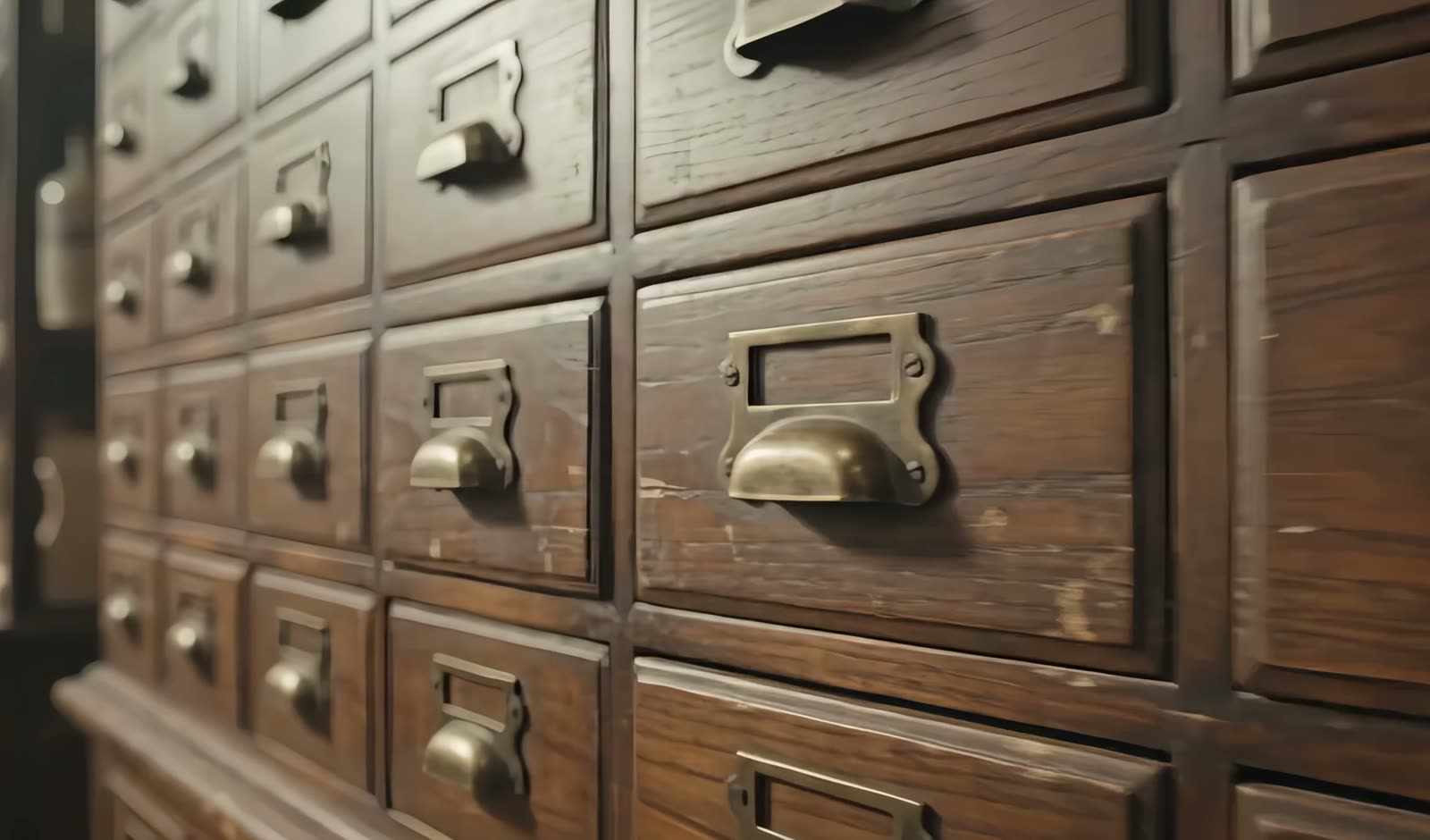
藏cáng · to store
The 百子櫃 — the hundred-drawer cabinet — is the oldest piece of clinical infrastructure in a Chinese medicine practice. It is also, plainly, a database. One material to a drawer, one name to the material, one place it lives, so that the person reaching for it never has to stop and think about where it is.
百子櫃 · one drawer, one material
取qǔ · to draw
Before anything is dispensed there is a room, twenty minutes, and a conversation: a patient describing what changed, a practitioner asking, looking, listening, taking the pulse.
取 · the consultation comes first
Sample record · 脈案
Left wristRate72次 / 分

稱chēng · to weigh
Once a formula is decided, each constituent carries four things: a name, a weight in grams, a role in the formula, and sometimes an instruction about when it goes into the pot.
稱 · 君臣佐使 · dose in 克
Sample record · 方
Total37克Decoction水煎 · 400ml → 200ml · 分兩次溫服
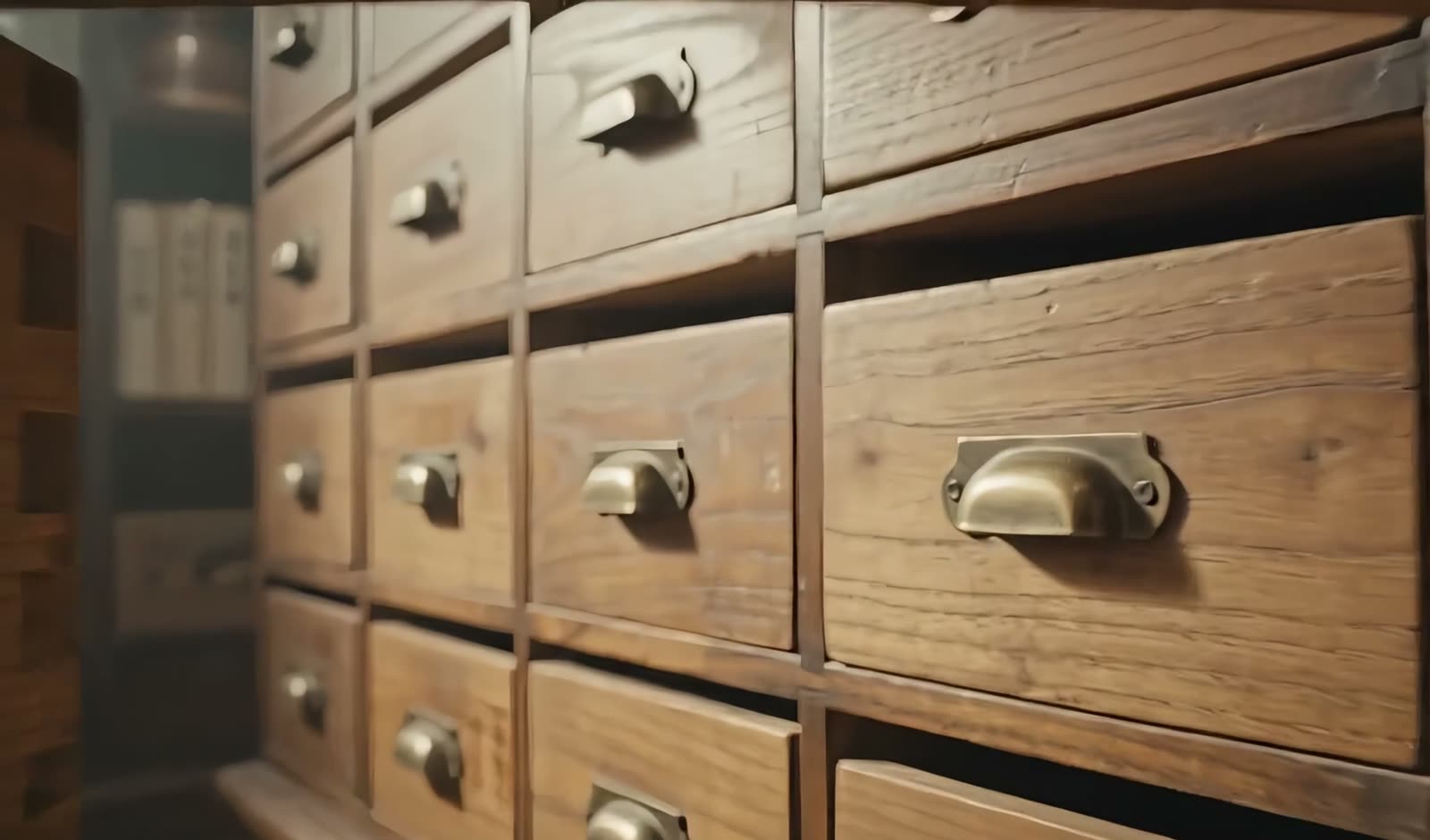
IV存cún · to keep
That is the whole promise of a filing system, and it is the part clinic software most often breaks: information goes in, and does not come back out in any shape the person who runs the clinic can use.
存 · one record, kept for the long run
Folio方 № 0247葉 3 / 5Confirmed by the attending practitioner
Reference · 六經
The six-stage framework of the 傷寒論 is one of several classical lenses a practitioner may reason through. YilaCMS stores which lens the record was written under, and cites the passage it drew on. It does not decide.